AmeriTrac provides track assessments, FRA inspections, construction management, and maintenance planning for rail-served manufacturing plants across the Lower 48 States.
In a rail-served manufacturing plant, track is part of the production line. Raw material arrives by rail on a schedule the plant depends on, finished product leaves the same way, and inventory buffers are often deliberately thin. A spur that cannot accept cars does not merely inconvenience shipping; it works its way back into production planning within days.
AmeriTrac works with manufacturers to keep plant trackage reliable and compliant. We assess condition, inspect to the Federal Railroad Administration Track Safety Standards, manage rehabilitation and new construction, and build maintenance plans that schedule into planned downtime instead of demanding their own.
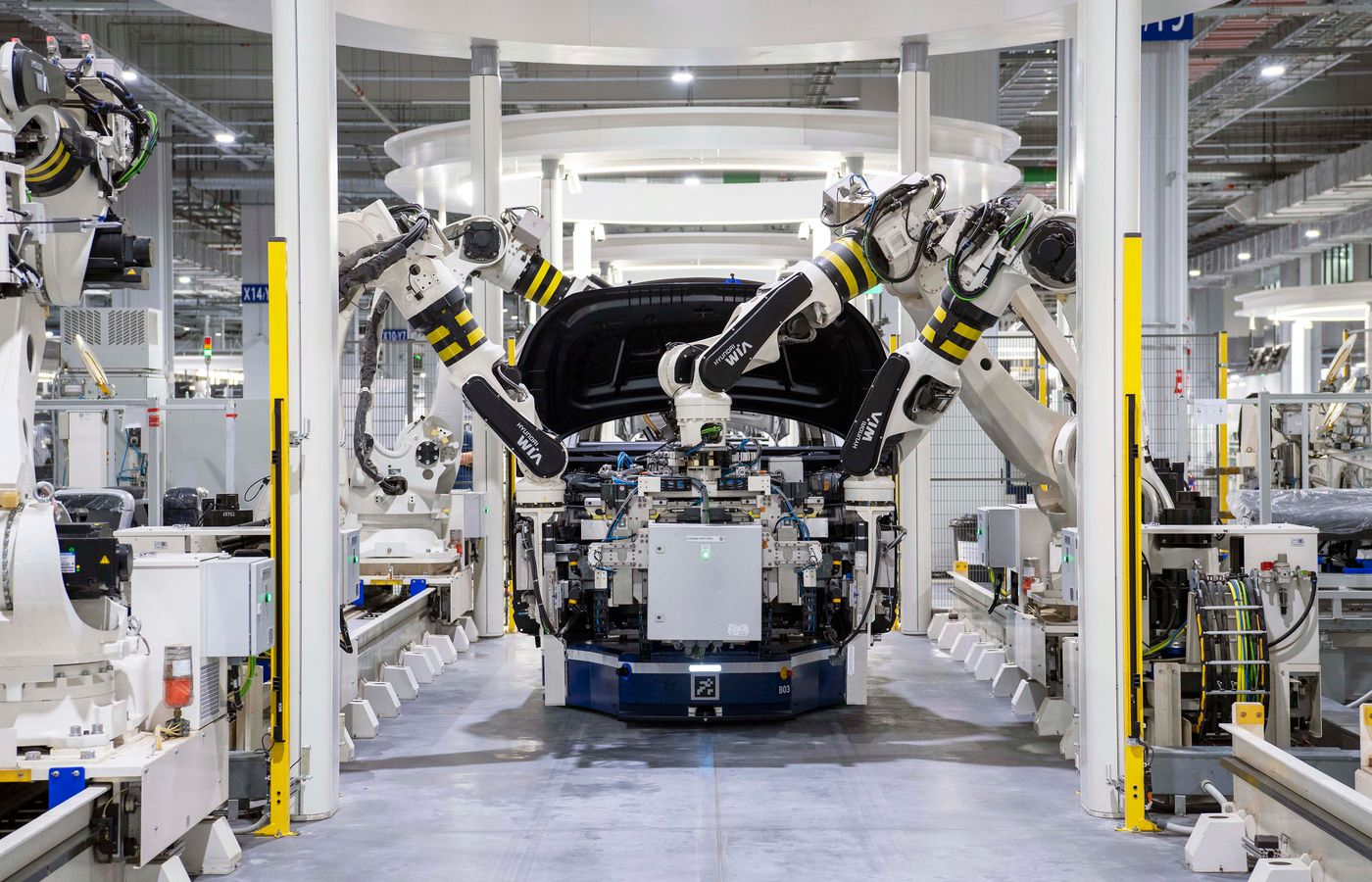
Manufacturing track sits inside an active production environment, which creates conditions main line inspection practice does not anticipate:
The FRA Track Safety Standards at 49 CFR Part 213 define minimum requirements for gauge, alignment, surface, crossties, fastenings, joints, and turnouts by class of track and speed. Plant trackage operates at Excepted or Class 1 speeds in effectively all cases.
Jurisdiction depends on how the track relates to the general railroad system. Where your serving carrier operates over it, Part 213 generally applies. Track worked only by plant personnel or a contract switcher behind the gate may fall outside it, and that boundary can move when a switching contract or interchange arrangement changes.
We advise manufacturers to inspect to Part 213 regardless. It is the standard the serving carrier applies at the interchange, it is what an insurer or investigator will reference, and it produces a dated record showing qualified inspection against stated criteria. That record is the difference between a defensible program and an argument after the fact.
Manufacturing engagements typically combine a baseline assessment with a recurring inspection cycle:
Recurring findings at manufacturing plants include deteriorated ties concentrated at crossings and building entrances, flangeways packed with production debris, broken crossing surfaces, clearance encroachment from added structures and equipment, fouled ballast where paving or floor slabs interrupt drainage, gauge widening in curves and turnouts, worn switch points on the plant lead, and derails that no longer match the current track layout.
In-building and door-threshold sections produce a disproportionate share of serious findings. They are difficult to inspect, drainage there is usually poor or nonexistent, and the consequence of a derailment in that location is far higher than the same defect on an open spur.
The binding constraint in manufacturing is downtime, not money. Track work that requires an unplanned outage competes directly against production, and it usually loses until something fails.
A maintenance plan built from a condition assessment fixes that by making the work schedulable. Defects are quantified, priced, and ranked, then packaged into scopes sized to shutdowns already on the calendar. That turns rail from an interruption into a planned activity, and it gives the plant a documented basis for the capital request.
Yes, and in-building sections should be specifically included in scope. They are among the most difficult areas to inspect, typically have the poorest drainage, and carry the highest consequence if a car derails there. Access, lockout, and clearance requirements are agreed before mobilization.
Clearance is checked as part of an assessment. Encroachment from added piping, racking, structures, and stored material accumulates gradually and is rarely recorded, so a documented clearance check is often the first accurate picture a plant has had in years.
Yes. Tie decay, ballast fouling, and drainage failure are driven by exposure and time rather than tonnage, so a lightly used spur can fall below standard while looking undisturbed. Low utilization changes the appropriate interval, not the need.
That is the intent. We size work packages to the outage windows you already have, so tie, surfacing, and crossing work runs during scheduled downtime instead of requiring a separate interruption to production.
Yes. AmeriTrac maintains registrations with ISNetworld, Avetta, and Veriforce, and participates in E-Verify, which covers the prequalification most manufacturing sites require before site access.
AmeriTrac works throughout the Lower 48 States. To discuss your plant, contact Phillip Jureczki on 281.830.1188 or at PJureczki@AmeriTrac.cc.