AmeriTrac provides track assessments, FRA inspections, construction management, project management, and maintenance planning for refineries, chemical plants, and terminals across the Lower 48 States.
Rail is working infrastructure inside a refinery or chemical plant. Feedstock arrives by tank car, finished product leaves the same way, and a single blocked switch or a bad joint in the wrong place can hold up a loading rack for a shift. Track inside the fence line also lives a harder life than most main line: it sees corrosive spillage, heavy axle loads at very low speed, tight curvature, switches embedded in paved roadway, and drainage that competes with process piping and containment.
AmeriTrac works with petrochemical and refining operators to keep that track safe, compliant, and predictable. We assess condition, inspect to the Federal Railroad Administration Track Safety Standards, manage rehabilitation and construction, and build the multi-year maintenance and capital plans that keep rail from becoming a surprise line item.
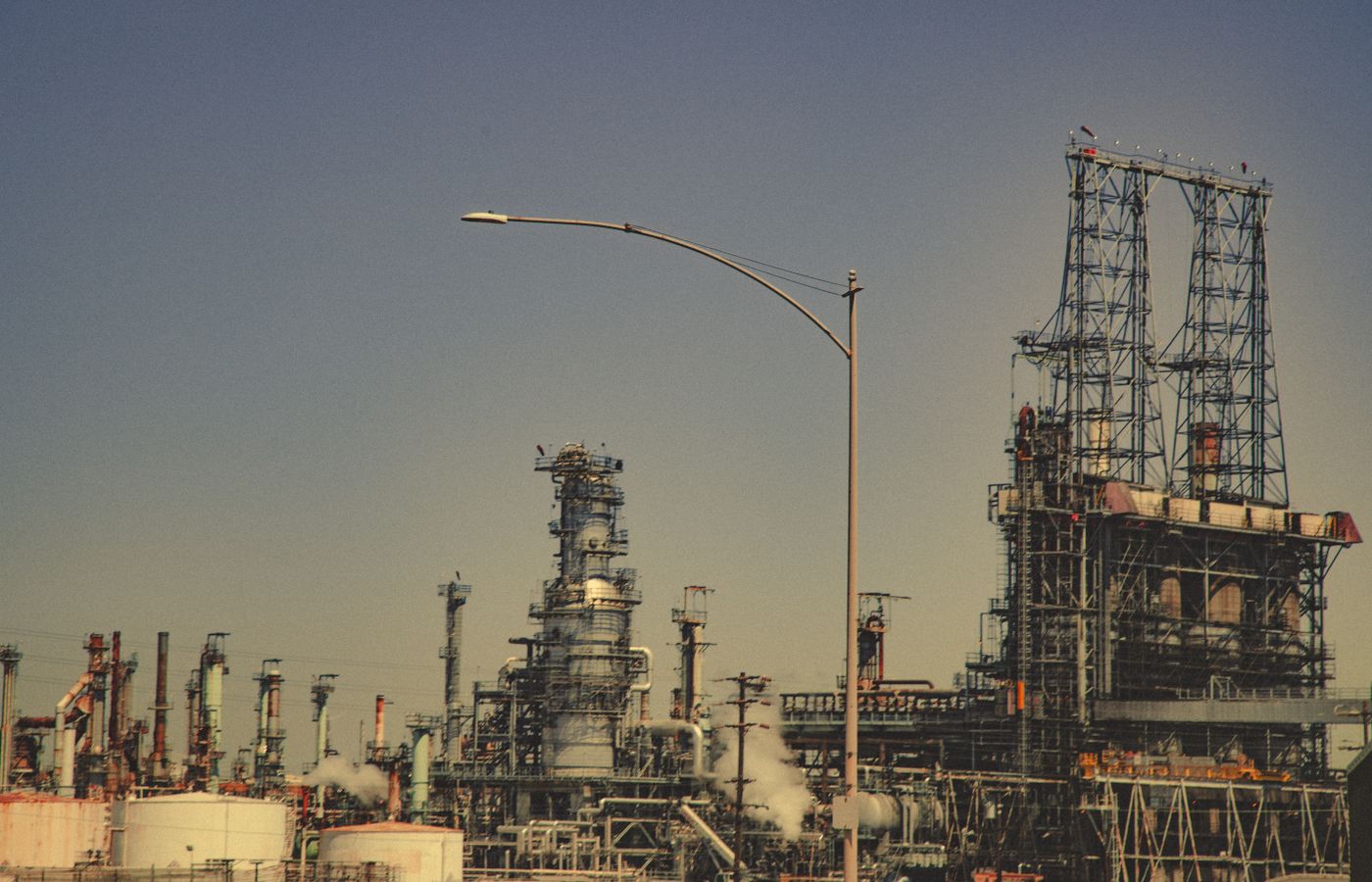
Industrial track in a process environment fails differently from main line track, and it fails for reasons an inspector who only works interchange track will not always look for:
The FRA Track Safety Standards at 49 CFR Part 213 set minimum requirements for gauge, alignment, surface, crossties, fastenings, joints, switches, and inspection frequency, organized by class of track and maximum operating speed. Most plant trackage operates at Excepted or Class 1 speeds, which is the least demanding tier of the standard, but it is not an exemption from having a defensible inspection program.
Whether Part 213 applies as a matter of law depends on how your track relates to the general railroad system. Track that a common carrier operates over is generally within FRA jurisdiction. Purely private track behind the gate, worked only by your own switching crew or a contract operator, may fall outside it. In practice, the distinction is rarely as clean as a site map suggests, and it can change when you alter an interchange agreement or bring in a third party switching contractor.
Our recommendation to plant operators is straightforward: use Part 213 as the benchmark regardless of jurisdiction. It is the standard your serving carrier understands, the one an insurer or auditor will reference after an incident, and the one that produces a written record showing the track was inspected by a qualified person at a stated frequency against stated criteria. If a regulator or a claims adjuster ever asks what your program was, that record is the answer.
Work at a petrochemical site usually starts with an assessment and turns into a program. These are the services most often engaged by refining and chemical clients:
Recurring conditions on plant track include fouled ballast that no longer drains, deteriorated crossties concentrated near loading spots and road crossings, gauge widening through curves and turnouts, worn or chipped switch points, loose and missing fasteners, vegetation obscuring walkways and sightlines, damaged or missing derails and wheel stops, and crossing surfaces that have broken down enough to trap debris in the flangeway.
Most of these are inexpensive to correct when they are caught as defects and expensive to correct when they are caught as derailments. The value of a structured assessment is not that it finds exotic problems. It is that it sorts ordinary problems by consequence, so a limited maintenance budget is spent where a failure would actually stop production or hurt somebody.
Rail assets at a process facility are usually old, incompletely documented, and owned by a department that has other priorities. That combination produces reactive spending: nothing happens until a car goes on the ground, and then the repair is done under time pressure at a premium.
A maintenance plan built from a condition assessment changes the conversation. It converts a vague sense that the track is getting tired into a prioritized list with quantities, unit costs, and a defensible sequence, which is the form capital committees can actually approve. It also lets tie and surfacing work be scheduled into turnarounds and outages that are already planned, instead of demanding a separate shutdown.
It depends on whether the track is considered part of the general railroad system. Track a common carrier operates over is generally within FRA jurisdiction. Track entirely behind your gate, worked only by your own or a contracted switching crew, may not be. The boundary is often less clear than a site map suggests and can shift when an interchange agreement or switching contract changes. We recommend inspecting to Part 213 either way, because it is the benchmark your serving carrier, your insurer, and any post-incident review will reference.
Part 213 ties inspection frequency to class of track and use. Most plant track operates at Excepted or Class 1 speeds, where the required interval is less demanding than main line. What matters as much as the interval is that inspections are performed by a qualified person, recorded in writing, and that identified defects are tracked through to remediation. An inspection with no closure record is of limited value if it is ever examined.
A walking assessment of the trackage in scope covering rail, joints, ties, fastenings, ballast and drainage, turnouts, crossings, clearances, and appliances such as derails and wheel stops. Findings are documented by location, classified by severity, and prioritized so that repairs can be sequenced by risk. The deliverable is intended to support both an immediate repair list and a multi-year maintenance plan.
Yes. We provide project and construction management for new spurs, rebuilds, loading rack extensions, and rehabilitation, from planning through final acceptance. Keeping assessment, design oversight, and construction management together means the party specifying the work is also verifying it was delivered.
Yes. AmeriTrac maintains registrations with ISNetworld, Avetta, and Veriforce, and participates in E-Verify. Most petrochemical and refining operators require contractor prequalification through one of these platforms before site access is granted.
AmeriTrac works throughout the Lower 48 States. For scheduling and mobilization on a specific site, contact Phillip Jureczki on 281.830.1188 or at PJureczki@AmeriTrac.cc.