Field management of railroad construction, with the work verified against specification while it is still visible. Across the Lower 48 States.
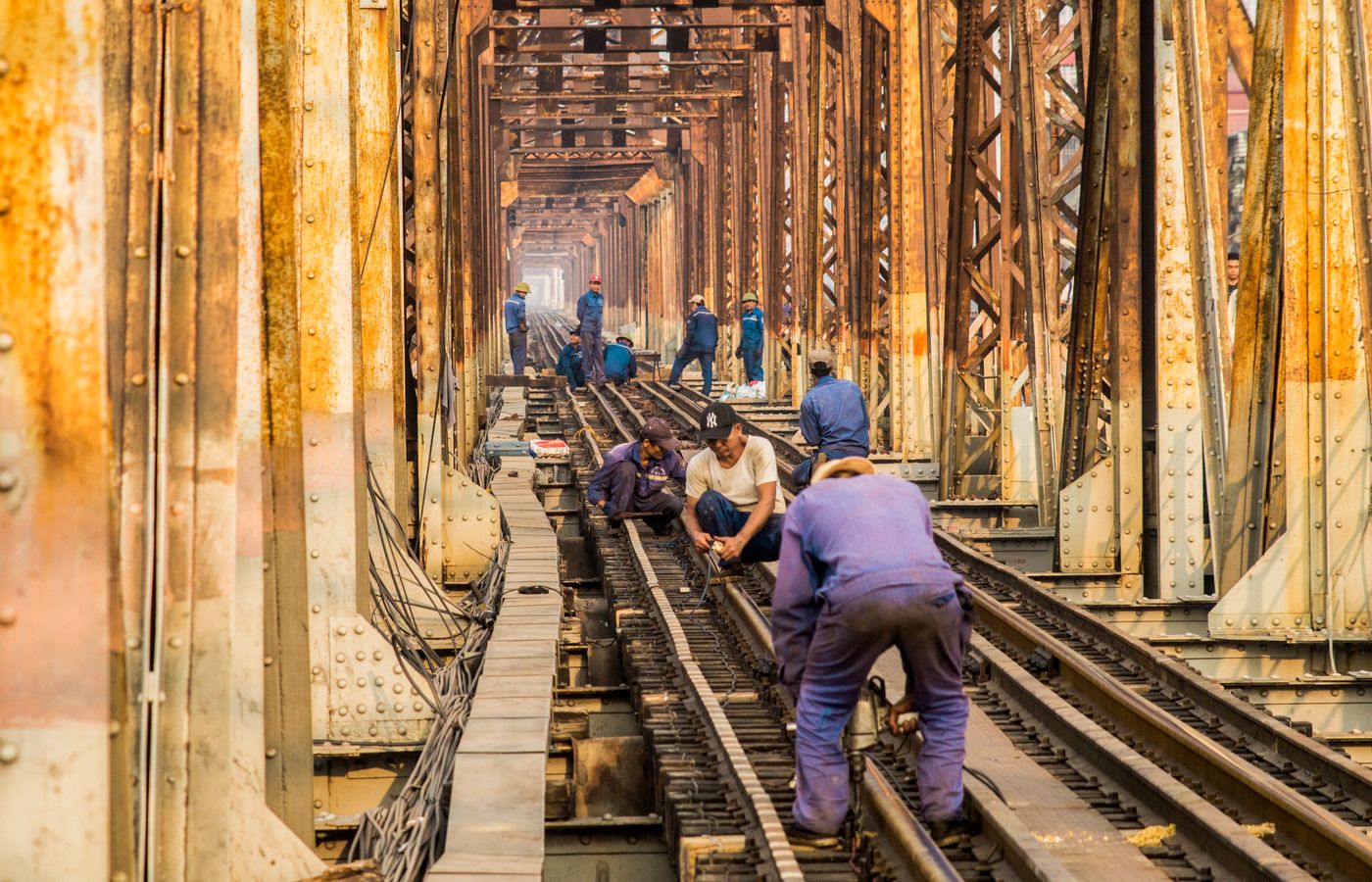
Track construction is unforgiving in one specific way: almost everything that determines how long it lasts becomes invisible before the job is finished. Subgrade preparation, drainage, ballast depth and compaction, and tie spacing are all buried under the next operation. If nobody qualified checked them at the time, nobody can check them afterward without taking the track apart.
AmeriTrac manages railroad construction on the owner side. We hold contractors to the specification, verify each stage while it can still be inspected, keep the schedule honest, and manage acceptance on evidence rather than on assurance.
Track should be built to the standard it will be operated under. The FRA Track Safety Standards at 49 CFR Part 213 define the minimum condition for a given class, and AREMA recommended practice provides the engineering basis for design and construction detail. A specification that references neither leaves every judgment to the contractor.
This matters most on the elements nobody sees later. Ballast depth under the tie, drainage that actually falls away from the structure, subgrade that was proof-rolled rather than assumed, and turnout geometry set correctly at installation are what separate track that lasts twenty years from track that needs surfacing in three.
Building to Part 213 minimums alone is also a trap worth naming. The standard defines when track must come out of service, not the condition new construction should be handed over in. New track accepted at the condemning limit has no service life before it needs work.
The recurring failures are consistent across projects: drainage designed on the drawing but not built in the field, ballast placed at less than specified depth or never properly compacted, subgrade accepted without verification, turnouts installed out of geometry and surfaced over, ties spaced generously to save material, and crossings built without adequate flangeway or drainage.
None of these announce themselves at handover. The track looks finished, it accepts cars, and the problem appears one to three years later as loss of surface, pumping, or a turnout that will not hold gauge. By then the contractor has been paid and the warranty has expired, which is exactly why stage inspection during construction is the cheapest quality control available.
Most industrial rail construction happens on a live site. Production continues, switching continues, and the contractor works around both. That raises real coordination demands: track protection, derail placement during construction, clearance for plant traffic, and agreed possession windows.
We plan the sequence so partial rail service survives construction wherever the layout allows, coordinate with the serving carrier on interchange impacts, and keep the operating side informed of what is available on any given day. Losing rail service entirely for the duration is occasionally unavoidable, but it should be a deliberate decision rather than the default outcome of poor phasing.
We manage on the owner side. Construction is performed by a track contractor, and our role is to hold that work to the specification and to your interest. Keeping the party verifying the work separate from the party performing it is the point.
To the class it will be operated at under Part 213, with AREMA recommended practice informing design and construction detail. Importantly, new track should be handed over comfortably inside those limits rather than at them, since the standard defines when track must leave service, not the condition it should enter service in.
Yes. We assess what has been built and whether it conforms, identify anything already buried that cannot now be verified, and manage the remainder from that point. Earlier involvement is better, but mid-project engagement is common and worthwhile.
Usually at least partially, if phasing is planned for it from the start. We sequence work to preserve rail service where the track layout allows and coordinate possession windows with operations and the serving carrier.
Yes. AmeriTrac maintains registrations with ISNetworld, Avetta, and Veriforce, and participates in E-Verify.
AmeriTrac works throughout the Lower 48 States. To discuss a project, contact Phillip Jureczki on 281.830.1188 or at PJureczki@AmeriTrac.cc.